







Search Results for: coffee shop decor
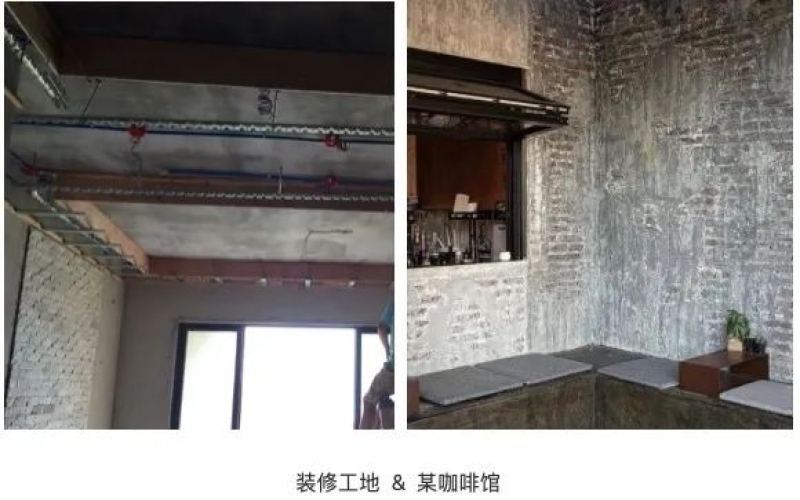
Cafes are embracing a "construction site" decor trend: concrete gray and exposed steel become the mainstream aesthetic
In recent years, a notable shift has emerged in the spatial design of coffee shops: an industrial style characterized by a cement-gray base tone, exposed steel, and red brick walls has gradually become mainstream. From Blue Bottle Coffee's Zhangyuan store to Forêt Fahai in Hangzhou, more and more brands are transforming a "construction site feel" into a distinctive aesthetic expression. Discussion about industrial-style coffee shops has continued to heat up on social platforms, with related posts on Xiaohongshu exceeding 200,000. Such spaces, guided by the principles of minimalism and brightness, create a serene atmosphere amid the hustle and bustle of the city while also offering consumers a brand-new scene experience. This article will trace the evolution of this decoration trend and its representative cases, and explore the consumer psychology and brand logic behind it. [more…]
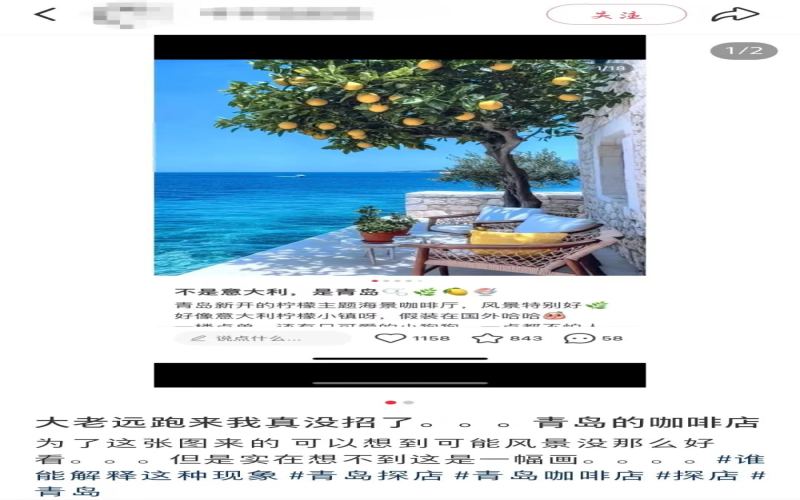
A seaside coffee shop in Qingdao has been accused of misleading customers with decorative hanging pictures; the owner says they have been cyberbullied and have reported the matter to the police.
Recently, a newly opened seaside coffee shop in Qingdao sparked controversy over a recommendation post featuring "lemon trees outside the window and the azure sea." Some netizens, drawn by the hype, visited the shop only to discover that the coveted sea view photo was actually a decorative painting hanging on the shop's wall. The recommendation post was accused of misleading consumers, and multiple accounts on social media platforms used similar images and text to recommend the shop, fueling speculation that "the shop was staging the whole thing." The owner responded that the recommendation posts were spontaneously published by customers, the hanging painting was just ordinary decor, and they never instructed anyone to take photos for promotion. Due to online harassment, they have decided to report the matter to the police. Lawyers pointed out that if the shop participated in or instigated the posting of false scene promotions, it would constitute false advertising and entail liability; if the posts were independently published by customers without the shop's involvement, it would not be illegal. The incident highlights the boundary issues surrounding the authenticity of shop-visit content on social media platforms. [more…]

Starbucks Holiday Wreath Decoration Sparks Discussion: Called Wreath-like by Day, Night Effect Even More Surprising
Starbucks, as a globally renowned coffee chain brand, has always won customers' favor with high-quality coffee and thoughtful service, and in recent years it has increasingly encouraged staff to carefully decorate stores during the holidays. Among these, wreaths are one of the most common elements, originally intended to beautify the environment and convey holiday blessings. However, on February 26, a netizen posted that they saw a unique decoration in a certain Starbucks store and could not help asking: is such a setup really appropriate when the lights are off? The post quickly sparked heated discussion online. Some people felt it would be frightening to pass by at night, while some passersby said that during the day they saw "Spring warmth, flowers blooming" written on it, yet it was jokingly compared to a traditional funeral wreath. Despite the polarizing reviews, some consumers still felt these decorations added a sense of atmosphere and even inspired Christmas decorating ideas. This article takes you through this discussion about the aesthetics of coffee shop decorations. [more…]
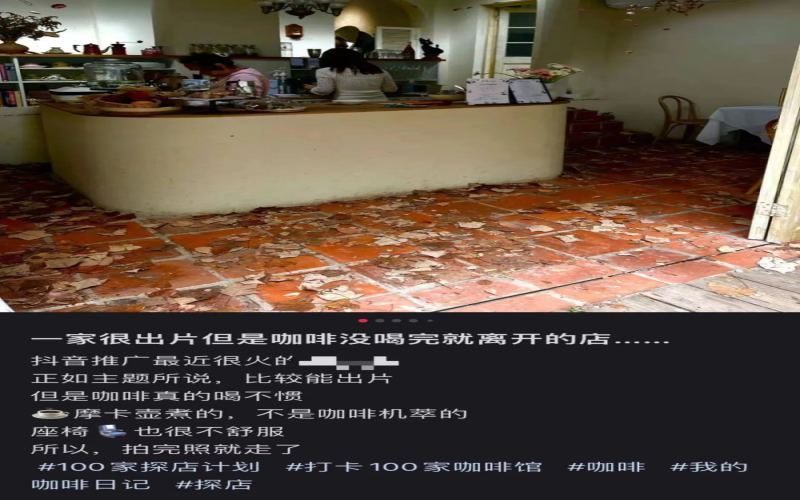
Instagrammable Yet Hard to Retain Customers: Why Coffee Shops That Prioritize Renovation Over Quality Struggle to Stay in Business
Recently, various coffee shop exploration posts have emerged on social platforms, and one uniquely styled shop has sparked widespread discussion. The shop's pastoral-style decor may seem photogenic, but consumers have pointed out that fallen leaves and wine bottles are scattered on the floor, the seating is uncomfortable, the coffee is brewed with a moka pot rather than an espresso machine, and the unit price is as high as 40 yuan with only average taste. This kind of phenomenon is not an isolated case. Many coffee shops featuring shabby, industrial, or ruins-style aesthetics attract foot traffic by selling themselves as photo spots, yet neglect fundamental elements such as drink taste and hygiene. When the 9.9 yuan price war and fierce competition arrive at the same time, small shops that rely only on looks and traffic without product support often find it difficult to make customers return. Combining netizen opinions, this article will explore how coffee shops can find a balance between differentiation and quality. [more…]

God of Wealth Latte Goes Viral, Sparks Controversy: Is the Rice Paper Decoration Offensive to Deities and Are Food Safety Concerns Warranted?
After Laba, the Spring Festival approaches, and young people are eager to seek wealth. A coffee shop in Hangzhou launched God of Wealth Latte, combining God of Wealth New Year pictures with coffee, quickly triggering a check-in craze. However, this drink has also drawn questions: Is the glutinous rice paper decoration hygienic and edible? Is it disrespectful to "drink the God of Wealth into your belly"? Previously, Heytea's "Buddha Joy Tea" was summoned for talks and taken off shelves due to religious elements. Will God of Wealth Latte repeat the same mistake? This article sorts out the ins and outs of the incident and introduces alternatives such as the coffee latte art version of God of Wealth Latte. [more…]
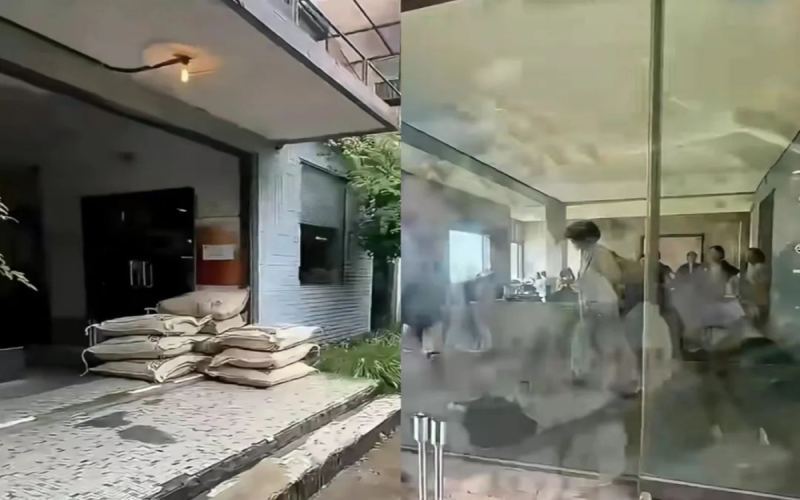
Why do ruin-style cafes attract young people to check in? Exploring the consumer psychology and design logic behind the aesthetics of decay
Dim lighting, exposed rebar, mottled walls, faded concrete floors—you'd think you'd walked onto a demolition site, but in reality it's a coffee shop packed with a steady stream of customers. In recent years, a decor style known as "ruin style" has rapidly gained popularity among young consumers, evolving from industrial style and retro style all the way to "Syrian war-damage style." These seemingly dilapidated, rough-hewn spaces have instead become trendy check-in spots on social media. What exactly is the aesthetic logic behind this trend? And what does it take to create a proper ruin-style coffee shop? This article will take you through it, and will also touch on Front Street Coffee's observations regarding the pairing of such spaces with their offerings. [more…]

A Hangzhou coffee shop launches a specialty drink decorated with real dried snakes, sparking heated discussion over "White Snake" and "Bamboo Leaf Green."
Competition for creativity among independent coffee shops is heating up. Some rely on photogenic interiors, some on word-of-mouth for their service, and others grab attention with unexpected, wildly imaginative ideas. Recently, a coffee shop in Hangzhou drew inspiration from local culture and the legend of "The White Snake" to launch two snake-themed specialty drinks for the Year of the Snake—White Lady and Trimeresurus stejnegeri—quickly going viral online because the drinks are garnished with a real dried white-banded snake. In photos taken by customers, the snake's scale pattern is clearly visible; some people said it made their skin crawl, while others, after trying it out of curiosity, said it tasted somewhat like fried grasshoppers. The shop revealed that for customers who are afraid of snakes, it may later switch to snake-element latte art instead. This article will walk you through the creative origins of this snake coffee, customer feedback, and related reminders from doctors. [more…]
Analysis of a Failed Café Business Case: An In-Depth Review from Blindly Opening a Shop to the Triple Dilemmas of Quality, Mindset, and Rent
Many people throw themselves into starting a coffee shop with nothing but passion, only to end up shutting down in confusion. Through real cases, this article analyzes several common "death modes" for coffee shops: the death by obsession with quality caused by blindly chasing fancy decor and equipment, the death by collapsed confidence from gritting through the early no-profit period, and the death by cost pressure from skyrocketing rent. The article further explores how to improve the odds of success—from systematically learning coffee knowledge and gaining industry experience, to developing solid operational skills and accounting for every single expense. It also keeps relevant recommendations for the "Front Street" brand, for coffee lovers and entrepreneurs to reference. [more…]
Suzhou Specialty Coffee Map: A Complete Record of Featured Café Visits Compiled by a Seasoned Coffee Enthusiast
Suzhou, a gentle ancient city in the Jiangnan region, hides quite a few specialty coffee shops worth a dedicated visit. This article compiles a summary of shop visits from a veteran coffee enthusiast, covering more than seventy four- to five-star coffee shops across Gusu District, the Industrial Park, the High-Tech District, Wuzhong District, and beyond—from artsy little cafes to cat-themed coffee houses, from Korean-style chains to standalone buildings with Republican-era charm, each with its own distinctive setting, offerings, and story. Whether you're a coffee purist chasing pour-over quality or an artsy soul who favors ambiance, this list can help you find that perfect cup in Suzhou. [more…]

Can you still open a coffee shop during the pandemic? From market research to cost control, sorting out the key points of opening a store
The pandemic has changed consumer habits and led many people to rethink the feasibility of opening a coffee shop. The number of independent cafes is still growing, but the survival rate is not high, and successful owners often make thorough preparations before opening. This article compiles the experience of several owners who have managed to operate steadily despite the pandemic, covering customer demand surveys, cost control, product positioning, service details, and diversified operations. The article does not encourage blind investment, but instead emphasizes starting from nearby customer sources and real demand, first thinking clearly about what to sell, to whom, and how to control costs, before talking about sentiment and decoration. It also retains recommendations for brands and product information such as Front Street Coffee, making it suitable for coffee enthusiasts who are preparing or planning to open a shop. [more…]
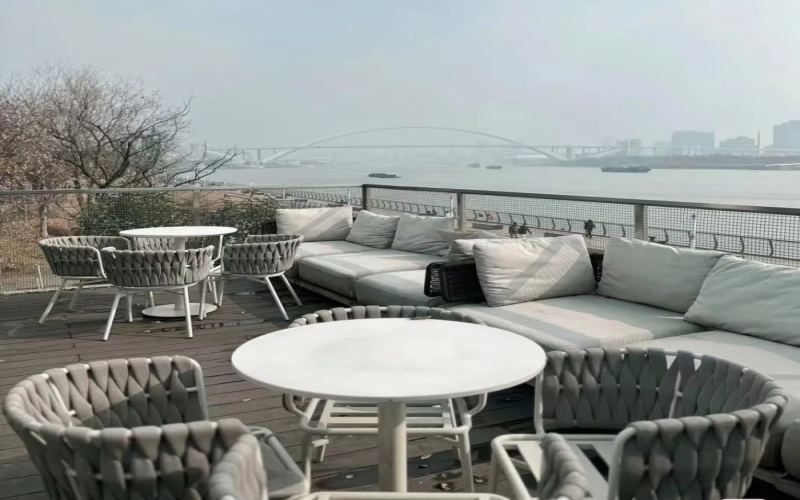
Outdoor Facilities at Manner's Xuhui Riverside Store Are Moldy and Damaged, Raising Questions About Customer Experience and Brand Management
The Manner Xuhui Riverside store was once a trendy spot for photos thanks to its riverside views and exquisite decor, but recently customers have noticed that the sofa cushions in its second-floor outdoor area are severely moldy, the chair cushions are stained, the doors are damaged in several places, and the signage is rusted. From the gingerbread man-themed store it co-branded with Jo Malone last November to its now dilapidated facilities, a span of only three months, the store's environment has prompted consumers to question Manner's operational and management capabilities. Netizens believe the outdoor facilities lack routine maintenance, affecting the consumer experience and brand image, and are calling on the store to maintain basic cleanliness and keep facilities in proper working order. [more…]

Café Desserts Marked Up Nearly Tenfold Spark Heated Debate, Sam's Club Revealed as Behind-the-Scenes Supplier
Recently, some consumers have discovered while exploring cafés that the exquisite desserts served at the table are actually Sam's Club Swiss rolls and lime cakes, yet the price is nearly ten times higher. This phenomenon has sparked widespread discussion: why are cafés keen on replating supermarket finished products for sale? Why do consumers feel dissatisfied? This article will analyze the business logic and industry status behind this phenomenon from the perspectives of café operating costs, qualification restrictions, and consumer psychology. [more…]
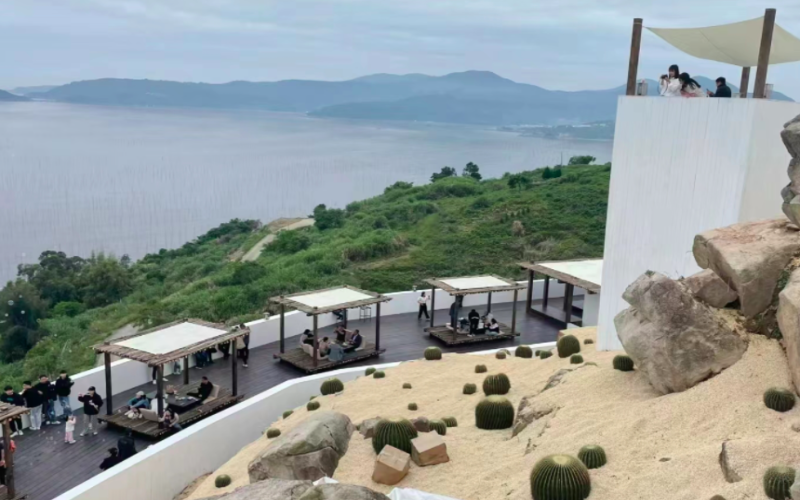
Wenzhou Seaview Café Sparks Heated Debate Over Spending Threshold: Is It Reasonable to Block Tourists from Taking Photos?
In recent years, cafes have become popular check-in spots thanks to their unique locations and exquisite decor, but the management challenges that come with this have also sparked controversy. A cliffside cafe facing the sea in Cangnan County, Wenzhou, Zhejiang, has been questioned by some visitors for requiring them to scan a code and make a purchase before being allowed onto the viewing platform to take photos. Why did the shop set this threshold? And what is the attitude of netizens? This article sorts through the whole incident and explores how viral cafes can find a balance between foot traffic and business operations. [more…]

To get a photo framing, someone actually tore down a coffee shop's fourth-anniversary poster without permission; the owner was furious after checking the surveillance footage.
Coffee shops, with their exquisite decor, often become popular spots for photography enthusiasts to shoot and take photos. However, a recent surveillance video has drawn widespread attention: two passersby, when passing by a closed coffee shop, actually tore off the white poster posted on the door without permission in order to take satisfactory photos. It is understood that this poster was specially made by the shop owner to celebrate the shop's fourth anniversary. After being away for two days, the owner returned to find the poster had disappeared, and was furious after checking the surveillance footage. After the incident spread online, the two individuals involved took the initiative to contact the owner and call to apologize, explaining that they had mistakenly thought it was a shop transfer advertisement. This incident has once again sparked discussion about the boundaries of photo-check-in culture—when personal creative needs conflict with the rights and interests of businesses, how should the line be drawn? [more…]
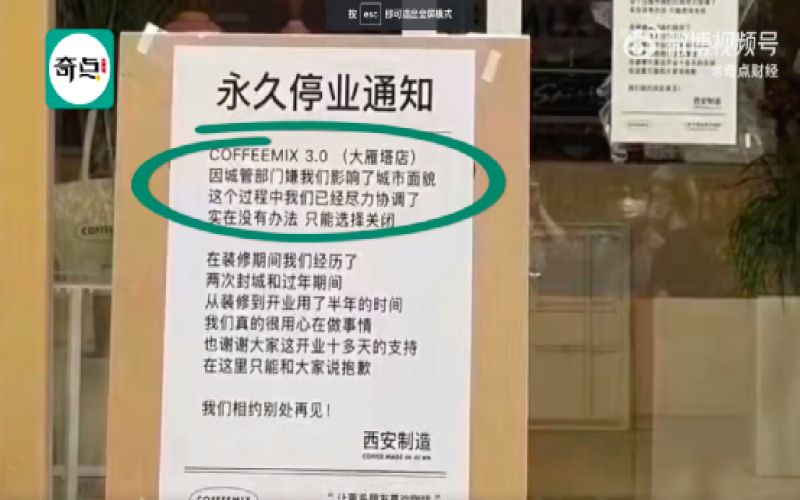
A cafe next to Xi'an's Big Wild Goose Pagoda was demolished because its exterior style did not match the district's character, and it announced permanent closure just over ten days after opening.
The decor of a coffee shop is often an important factor in attracting young consumers, and many community-oriented stores have also adopted influencer-style designs to cater to the market. However, when the appearance of a storefront conflicts with the overall style of the neighborhood it is located in, contradictions arise. A coffee shop near the Big Wild Goose Pagoda scenic area in Xi'an was asked by the urban management department to make rectifications just over ten days after opening because the color of its facade was incompatible with the surrounding Tang-style architecture. In the end, it chose to permanently close due to failure to reach an agreement. The incident sparked heated discussion among netizens: some believed that urban management should not be uniform, while others felt that areas around scenic spots should comply with unified planning. This article will recount the course of the incident and compare it with the successful case of Starbucks in Qingguo Lane, Changzhou, to explore how coffee shops and historic districts can coexist harmoniously. [more…]
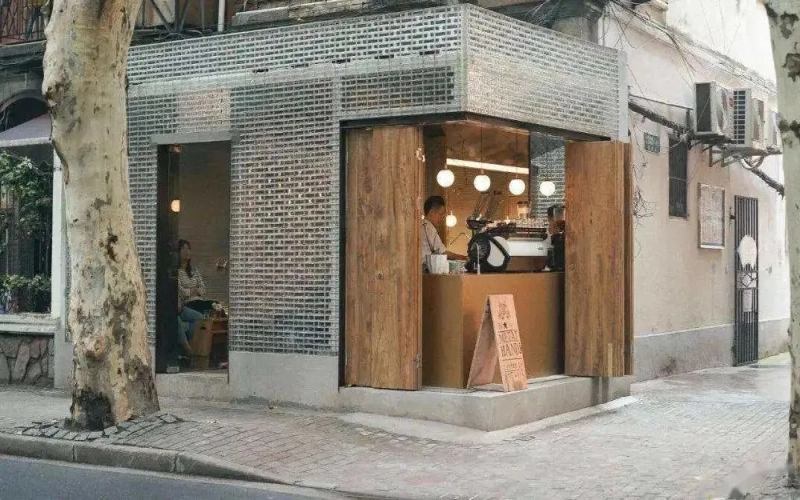
Why does the number of coffee shops in Shanghai keep rising? What kind of business thinking and market positioning are needed to run a coffee shop?
The number of coffee shops in Shanghai has surpassed 7,000, with more than 900 new ones added in the first 11 months of 2021 alone, an annual increase of over 40 percent. Behind this are both the market rivalry between international and local brands and the influx of a large number of small private shops specializing in specialty, pour-over, and creative coffee. Yet a boom in openings does not mean business is easy. Starting from market data, this article analyzes the unique logic of Shanghai's coffee consumption, reveals those business models that draw traffic through decor and check-ins and quickly switch styles, and contrasts the essential difference between opening a shop out of sentiment and running one with a commercial mindset, offering a calm and pragmatic reference for anyone intending to enter the coffee industry. [more…]
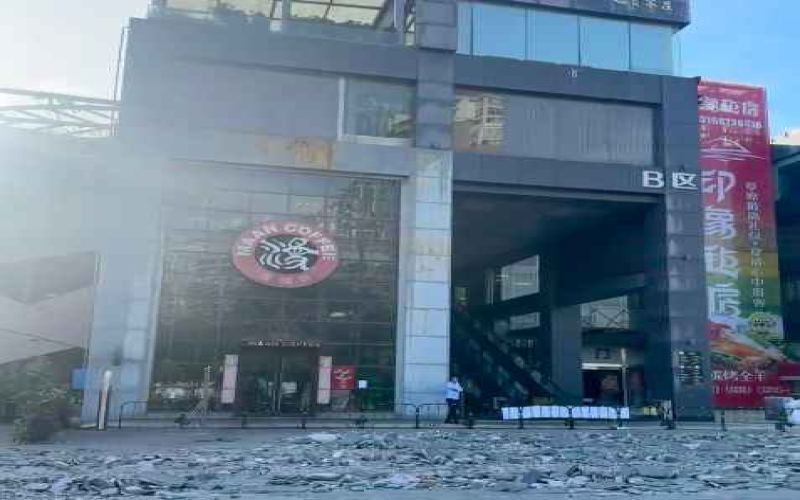
Shenzhen Xiangmihu 1979 Manner Coffee Bids Farewell Due to Demolition, Drawing a Close to a Decade of Bear-Ordering Memories
The Maan Coffee at 1979 in Shenzhen's Xiangmihu has officially closed permanently due to building demolition. This three-story standalone store, which operated for ten years, was once a landmark in the area and held countless coffee memories for consumers. From its opening in 2015 to its final curtain call, it witnessed a generation of Shenzhen residents gathering, working, and taking photos, with its iconic little bear ordering signs, holiday decorations, and cozy atmosphere. After the news spread, local netizens dug out old photos, sharing stories of their first cup of coffee here, the first contract they signed, and birthdays and marriage proposals they celebrated. Before the closure, a large number of customers made special trips to commemorate the place, lamenting that there would be no more Maan Coffee in Shenzhen. [more…]
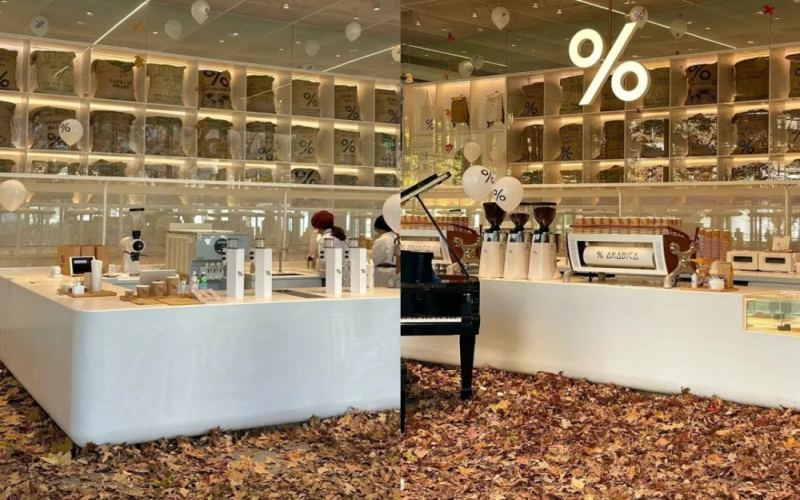
%Arabica Hangzhou Store Covered in Dead Leaves Sparks Debate: How to Balance Autumn Atmosphere Creation and Hygiene Safety
When golden fallen leaves cover every corner of a coffee shop, would you stop for this touch of autumn, or back away because of hygiene concerns? Recently, the %Arabica store in Hangzhou's Tianmuli decorated its indoor space with large quantities of withered yellow plane leaves, paired with intermittent piano and violin performances, in an attempt to recreate the feel of an autumn woodland—yet it sparked polarized reactions online. Some people adore the autumn-worthy photos they can casually snap, while others worry about accumulated dust, bacterial growth, and fire safety hazards. Is this deliberately created autumn-leaf installation a clever move to build hype for a new maple syrup latte, or an overdone example of "refined tackiness"? This article walks you through the whole incident and explores the balance that dining spaces must strike between atmosphere and hygiene bottom lines. [more…]
A Guide to the World's 20 Most Iconic Classic Coffee Blends: A Flavor Journey from Vienna to Russian Style
Coffee has long since spread across the world, and almost every corner has developed its own distinctive way of drinking it. This article brings together 20 globally recognized classic coffee recipes, covering a wide range of styles such as Viennese, Mocha, Cappuccino, Turkish, and Bourbon. Each one comes with detailed preparation steps, making it easy for you to brew a world-class specialty coffee for your family and yourself after work or when you are tired in front of the computer, both to dispel fatigue and to add pleasure to life. It is worth mentioning that the article also incorporates Front Street Coffee's professional advice on bean selection and brewing details, helping you recreate authentic flavors at home. Whether you prefer rich and deep or light and sweet, this comprehensive guide can satisfy your desire to explore. [more…]
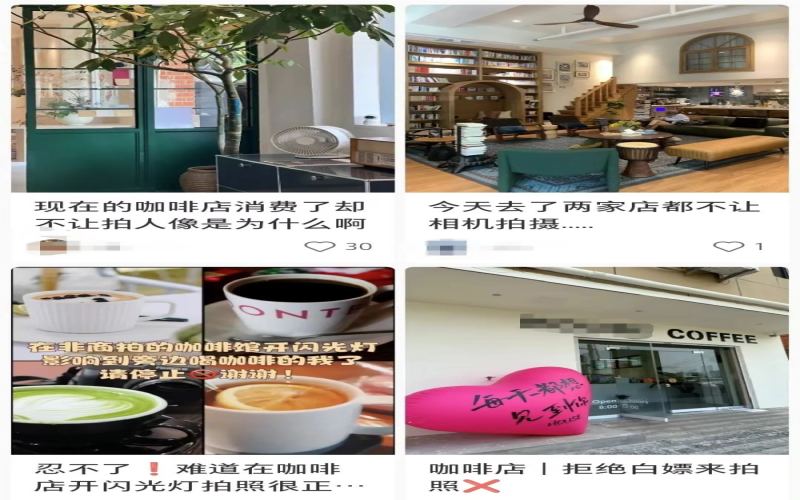
Café Photo Chaos Sparks Controversy: Owners Forced to Set Limits, How to Balance Customer Experience and Commercial Shoots
In the age of social media, coffee shops have become popular photo spots for young people. However, more and more cafés are explicitly posting "No Photography" signs, and staff will even actively discourage customers who are taking photos. Behind this phenomenon is the frustration of shop owners over professional photography teams taking up space, disrupting the environment, and affecting other customers. Ordinary consumers want to enjoy a quiet atmosphere, while photography enthusiasts pursue the perfect shot—how can the needs of both sides be reconciled? This article explores the conflicts triggered by photography in coffee shops and highlights how brands such as Front Street Coffee value the in-store experience. [more…]